Refined Submission Content Workflows for Link Success
For each Tier 1 link, find 2-4 natural Tier 2 opportunities: Compose article that point out and connect to the Tier 1 material Share the Tier 1 link by yourself Medium, LinkedIn, or owned homes Email 2-3 relevant blogs asking if they 'd mention the Tier 1 page Add the Tier 1 link to your own resource pages where it fits Key principle: Tier 2 links must originate from real, appropriate sources.
Utilize a spreadsheet or Ahrefs to track: Tier 1 positionings and dates Tier 2 links obtained (if any) Ranking movements in target keywords Describing domain development Expect warning indications: Abrupt ranking drops (possible penalty) No modification after 8 weeks (tiers not working) "Unnatural links" notice from Google (manual action) Withstand automating or bulk-building Tier 3.
Handbook, selective Tier 3 (5-10 links per campaign) from genuine sources are appropriate. Every 30 days, ask yourself: Which Tier 1 links moved the rankings? Did Tier 2 links provide measurable benefit?
done for you GSA SERBest Practices for Advanced Multi-Tiered Link Mapping
Develop 5 premium, relevant Tier 1 links backed by 2-3 authentic Tier 2 links each. Not 50 weak links throughout three tiers.
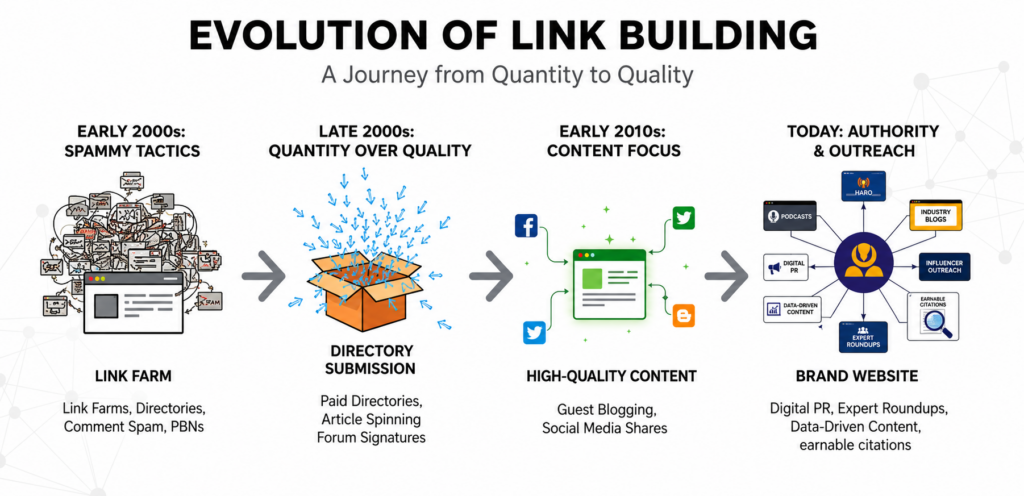
Do not repeat exact-match anchors across tiers. Google flags patterns. Construct slowly. Rather of getting 20 links in two weeks, spread 5 per week over a month. Appears natural. Lowers spam detection risk. Do not rely entirely on tiered link structure. Combine with organic strategies: Content marketing that naturally draws in links Social network promotion Brand name points out and citations HARO outreach Influencer partnerships Data from 2025 shows 40.7% of online marketers cite material marketing as the top technique for passive link acquisition.

Check your backlink profile monthly. Search for: Spammy or irrelevant links Links from "compose for us" farms Coordinated connecting patterns PBN or farm indicators If something looks incorrect, disavow it. Do not develop Tier 3 links utilizing automatic tools Don't connect from PBNs or obvious link farms Don't buy Tier 2 links in bulk from marketplaces Do not use private blog site networks Don't produce coordinated link-building networks Do not build links to low-grade or AI-generated Tier 1 material If you're implementing this, these aid.
You still need thoughtful planning. It depends. Use it if: You have a strong budget for quality Tier 1 links ($5K+ per month) You want to amplify existing high-quality placements You're client (8-12 weeks for results) You can preserve quality throughout all tiers Your niche is moderately competitive Skip it if: You're using inexpensive, low-quality Tier 2 and 3 sources You want results in 4 weeks You're using automated tools Your objective is one or two keywords You remain in high-penalty niches (financing, health, legal) For a lot of organizations, the smarter play: build 10-15 really outstanding Tier 1 links through editorial techniques.
Optimized Automated Content Packages for Link Results
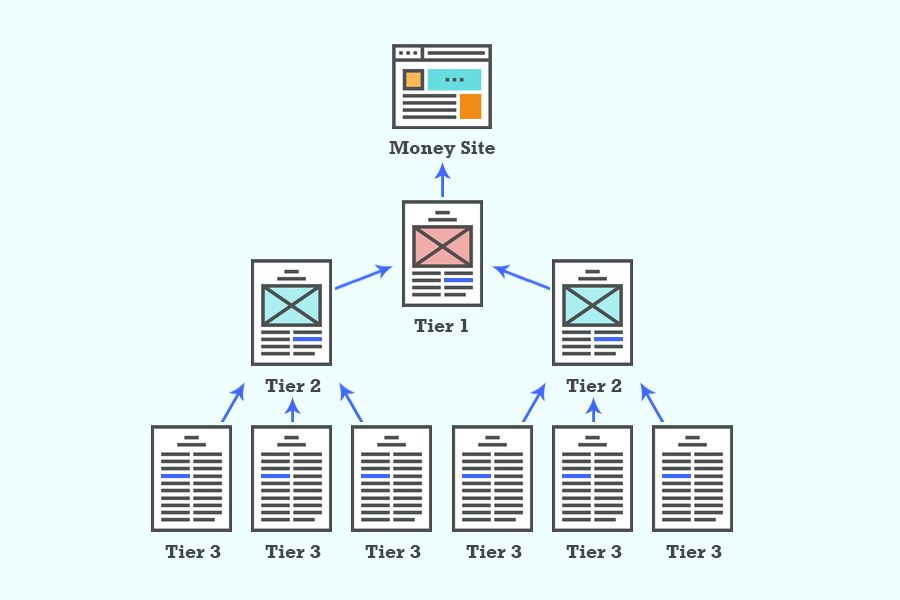
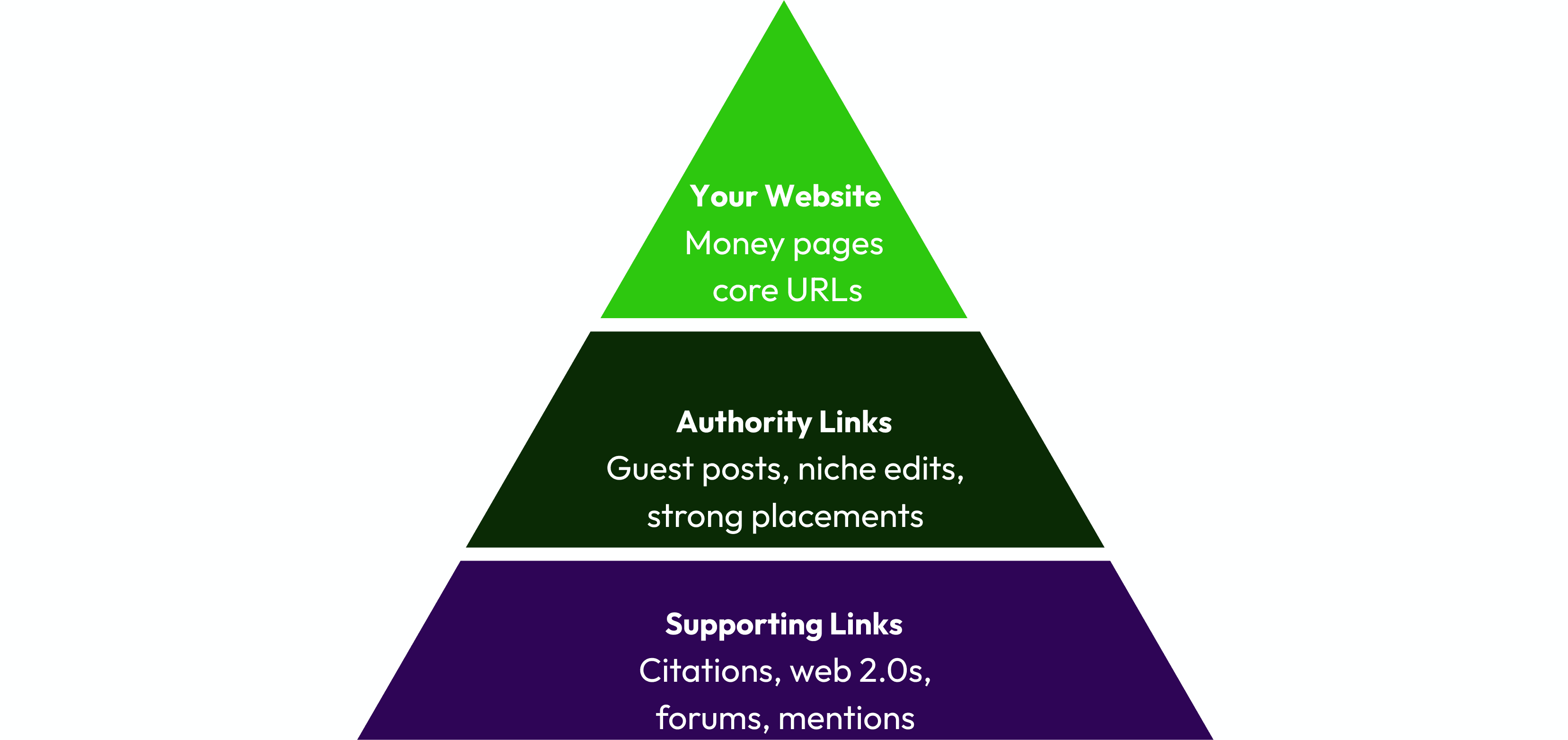
Tier 1 links point to your website. Tier 2 links point to Tier 1. Tier 3 links point to Tier 2.
Functions when Tier 1 links are really high-quality, and Tier 2 and 3 links originated from appropriate, legitimate sources. Falls flat when performed as a control plan with low-quality or coordinated links. Many efficient strategies utilize 2-3 tiers. Tier 1 and Tier 2 are standard. Tier 3 includes very little value and increases threat.
They pass indirect worth. Tier 2 links can improve Tier 1 page authority, which then reinforces their effect on your site. Tier 3 links support Tier 2 but are farther removed. The effect is genuine however modest, specifically with weak sources. High-authority (DR 60+), appropriate to your specific niche, with genuine readership.
Refined Automated Content Packages for Link Results
Massive, low-quality Tier 3 link structure is a quick course to spam flags. Use Tier 3 sparingly5-10 quality links per project, not hundreds. Tier 1 links generally reveal ranking impact within 2-4 weeks.
Yes. Build numerous low-grade links, use automated tools, or create apparent schemes, and Google's SpamBrain flags it. Charges vary from link devaluation to site-wide ranking drops. Healing takes months or longer. Standard link structure concentrates on getting quality links directly to your site. Tiered diverts some resources to supporting existing links.
Link structure is one signal among numerous. Connect wheel: an older, more aggressive strategy where links form circular patterns (Website A B C A).
Refined Automated Content Packages for Link Results
A modest campaign (5 Tier 1 + 10 Tier 2 + 5 Tier 3) costs $3K-$8K. An aggressive campaign (15 Tier 1 + 30 Tier 2 + 20 Tier 3) costs $15K-$30K.
Low-grade links typically just get cheapened, not penalized. If you've constructed thousands of spammy Tier 2 or 3 links, disavowal assists. Otherwise, leave them alone. E-E-A-T (Experience, Expertise, Authority, Reliability) is Google's quality framework. Tiered link structure can support authority by obtaining links from trusted, pertinent sources. However it doesn't demonstrate experience or reliability if carried out through manipulation.
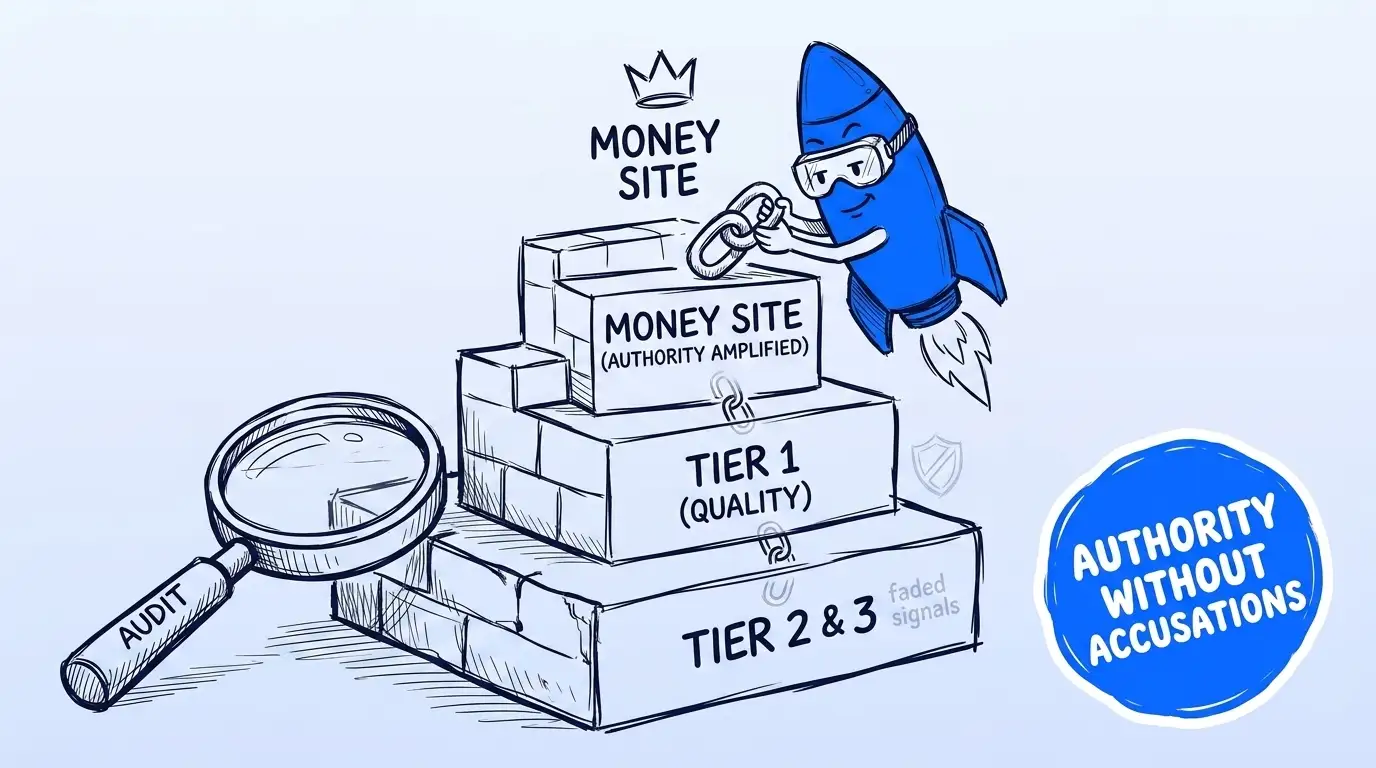
Low-quality Tier 2 and 3 links do not. Tiered link structure is a legitimate method for magnifying top quality backlinks. It's not a faster way. It's not a silver bullet. The majority of successful applications focus on protecting first-rate Tier 1 links, then supporting them through authentic Tier 2 promo and selective Tier 3 help.
Buy quality. One link from a genuine authority beats ten links from weak sources. 2. Strong Tier 1 links get stronger with Tier 2 support. Weak Tier 1 links stay weak no matter what you do to Tier 2. 3. A lot of strategies skip it. The risk-reward isn't worth it unless you have spare resources.
Essential Tips for Managing Sophisticated Multi-Tier Systems
Unlike black hat tactics (momentary gains, high penalty danger), quality tiered link structure creates sustainable, long-lasting ranking enhancements. 5. SpamBrain finds schemes faster than ever. Collaborated, fast, low-quality link structure triggers penalties. Slow, selective, quality-focused building works. The very best play in 2026 isn't developing a perfect pyramid. It's protecting the fewest first-rate Tier 1 links possible, enhancing them through legitimate Tier 2 methods, and then getting back to what really moves rankings: developing valuable content and building genuine relationships in your market.