How Advanced SEO Data Files Refine Link Efficiency

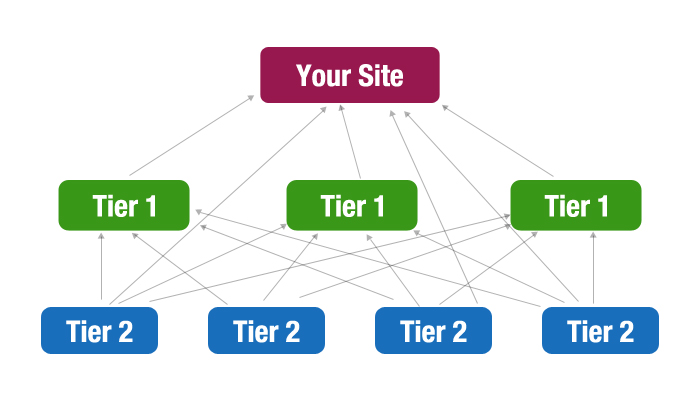
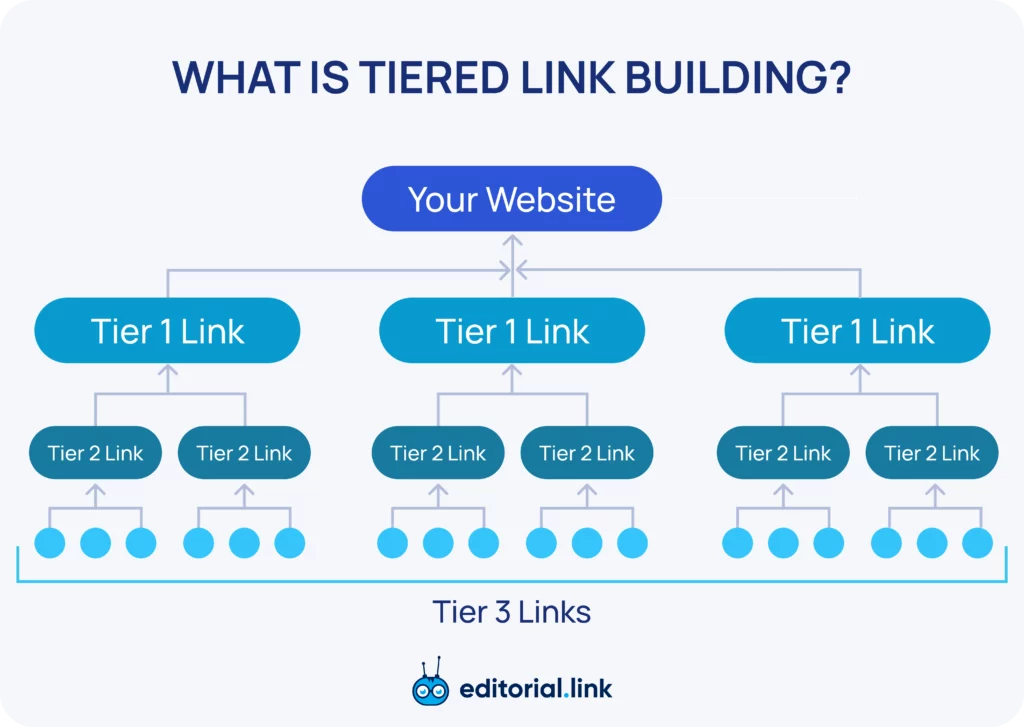
Integrate with material marketing, on-page SEO, technical SEO, and UX improvements. Link building is one signal amongst many. A well-rounded SEO approach always wins. Connect wheel: an older, more aggressive technique where links form circular patterns (Website A B C A). Tiered: a hierarchical pyramid where each tier supports the one above.
Depends on the scope. A modest campaign (5 Tier 1 + 10 Tier 2 + 5 Tier 3) costs $3K-$8K. An aggressive project (15 Tier 1 + 30 Tier 2 + 20 Tier 3) costs $15K-$30K. Tier 1 is pricey. Tier 2 and 3 are more affordable however ought to still preserve quality.
Low-grade links typically just get cheapened, not penalized. If you've built thousands of spammy Tier 2 or 3 links, disavowal helps. Otherwise, leave them alone. E-E-A-T (Experience, Proficiency, Authority, Reliability) is Google's quality structure. Tiered link building can support authority by obtaining links from relied on, relevant sources. It doesn't show experience or reliability if performed through adjustment.
GSA SER Builder updateLow-grade Tier 2 and 3 links do not. Tiered link structure is a legitimate strategy for enhancing top quality backlinks. It's not a faster way. It's not a silver bullet. A lot of effective executions concentrate on protecting world-class Tier 1 links, then supporting them through authentic Tier 2 promo and selective Tier 3 aid.
One link from a real authority beats 10 links from weak sources. Strong Tier 1 links get more powerful with Tier 2 assistance. Weak Tier 1 links remain weak no matter what you do to Tier 2.
Leveraging Advanced SEO Content Packages in 2026
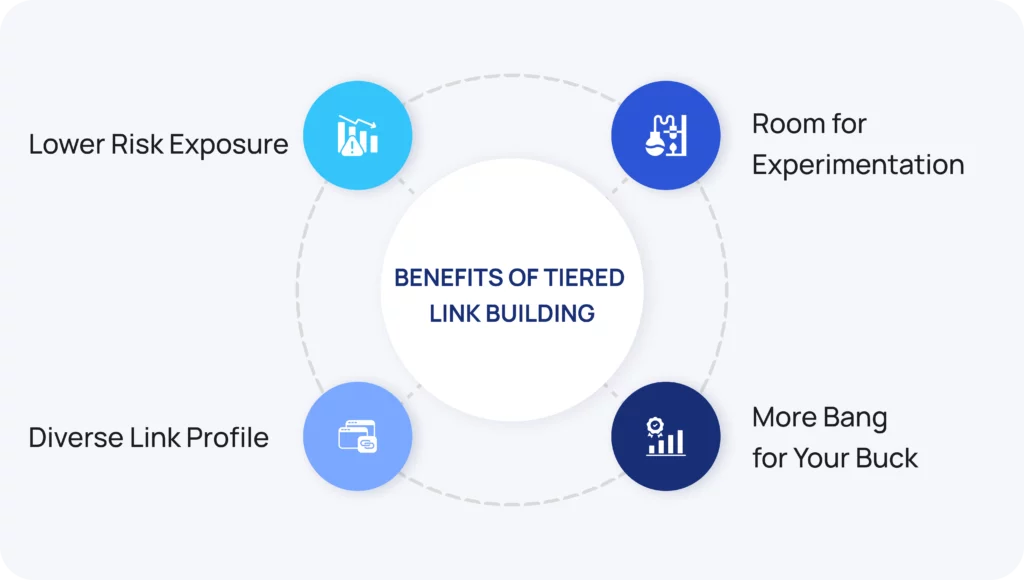
Unlike black hat tactics (short-term gains, high penalty risk), quality tiered link building develops sustainable, long-term ranking enhancements. Collaborated, fast, low-grade link structure sets off charges. It's protecting the fewest first-rate Tier 1 links possible, magnifying them through genuine Tier 2 methods, and then getting back to what actually moves rankings: creating valuable material and building authentic relationships in your market.
It provides you a defensible method to choose which entities to purchase initially, which to postpone, and which to leave alone for the time being. This post covers the framework itself, the decision criteria that position entities into tiers, and the useful ramifications of the prioritisation for content, schema, and external distribution work.
The entities important to your brand identity. Without strong recognition of these entities, AI systems can not confidently comprehend or cite your brand. Tier 1 is small typically 5 to 10 entities for many brand names. Tier 1 always consists of: Your main Organisation entityYour creator(s) and existing CEO as Person entitiesYour headquarters or main location as a Place entityYour flagship item or service as an Item entity (one to three of them, not all)Your most defining proprietary Idea entity if you have one a named methodology, structure, or technologyThese entities get the most attention.
Every piece of material on your website should reinforce one or more of these entities. The entities that show depth of competence and add to citation-worthy material. These strengthen Tier 1 but do not stand alone as specifying the brand name. Tier 2 usually consists of 15-30 entities. Tier 2 generally consists of: Senior team members beyond the CEO and foundersCore item functions (significant ones, not every small function)Secondary methodologies and frameworksMajor partnership and combination entitiesIndustry idea entities you have real authority onThese entities get correct schema, internal connecting to their hubs, and inclusion in cross-platform profiles where proper.
It offers you a defensible method to choose which entities to buy first, which to postpone, and which to leave alone for the time being. This post covers the structure itself, the decision criteria that place entities into tiers, and the practical ramifications of the prioritisation for content, schema, and external circulation work.
Comparing Bespoke and Automated 3 Tier SEO Architectures
The entities important to your brand identity. Without strong recognition of these entities, AI systems can not confidently understand or mention your brand. Tier 1 is small generally 5 to ten entities for the majority of brand names. Tier 1 always consists of: Your primary Organisation entityYour creator(s) and existing CEO as Person entitiesYour headquarters or main location as a Location entityYour flagship services or product as a Product entity (one to three of them, not all)Your most specifying proprietary Concept entity if you have actually one a named methodology, structure, or technologyThese entities get the most attention.
Every piece of content on your site ought to reinforce several of these entities. The entities that show depth of competence and contribute to citation-worthy material. These enhance Tier 1 but do not stand alone as defining the brand. Tier 2 normally contains 15-30 entities. Tier 2 generally consists of: Senior employee beyond the CEO and foundersCore item functions (significant ones, not every small function)Secondary approaches and frameworksMajor collaboration and integration entitiesIndustry idea entities you have authentic authority onThese entities get appropriate schema, internal connecting to their hubs, and inclusion in cross-platform profiles where proper.